Pasture Clearing in Salt Lake City, UT
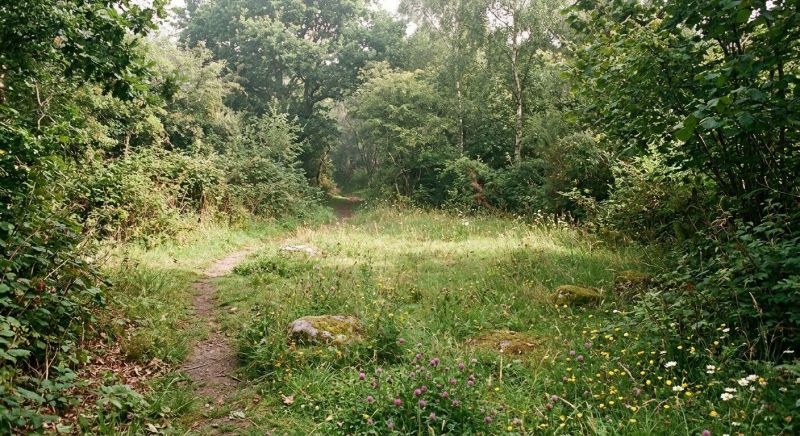
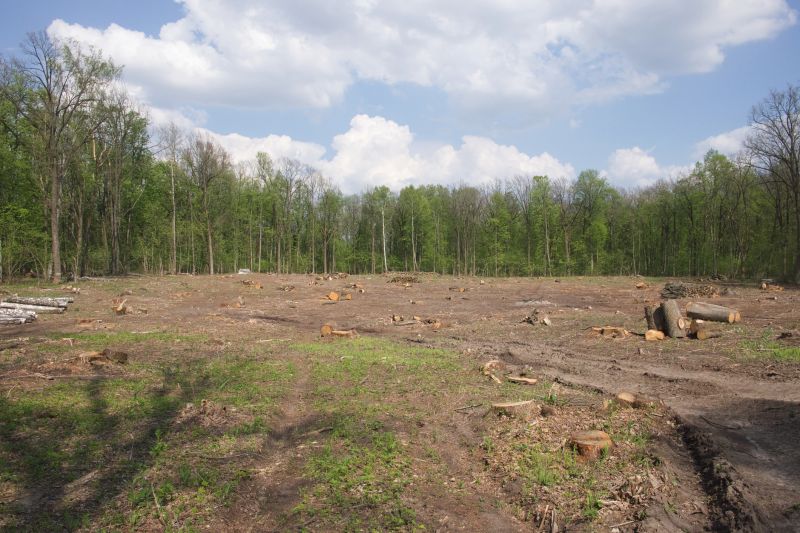
Pasture clearing services involve the removal of unwanted vegetation, brush, and overgrowth to prepare open land for agricultural use, development, or improved property management. These projects typically include clearing large areas of grass, shrubs, and small trees, making the land more accessible and suitable for farming, grazing, or future construction. Homeowners interested in pasture clearing should consider factors such as the size of the area, types of vegetation present, and any local regulations or permits required before requesting services.
Property owners often seek pasture clearing to enhance land usability, improve safety, or manage overgrown areas that hinder access or aesthetics. It’s important to understand the scope of work, including whether the project involves debris removal, stump grinding, or grading, and to clarify any specific goals for the land. Proper planning ensures that the clearing process aligns with the property’s intended use and complies with local guidelines.
Many property owners in Salt Lake City, UT look into Pasture Clearing for repairs, replacements, upgrades, and appearance-related improvements.
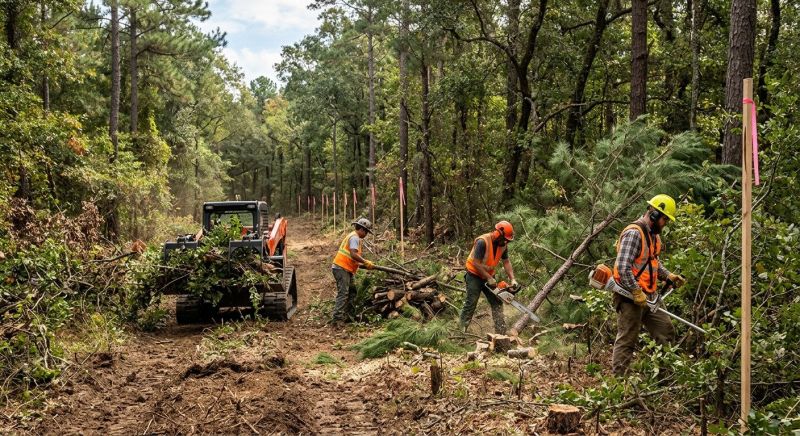
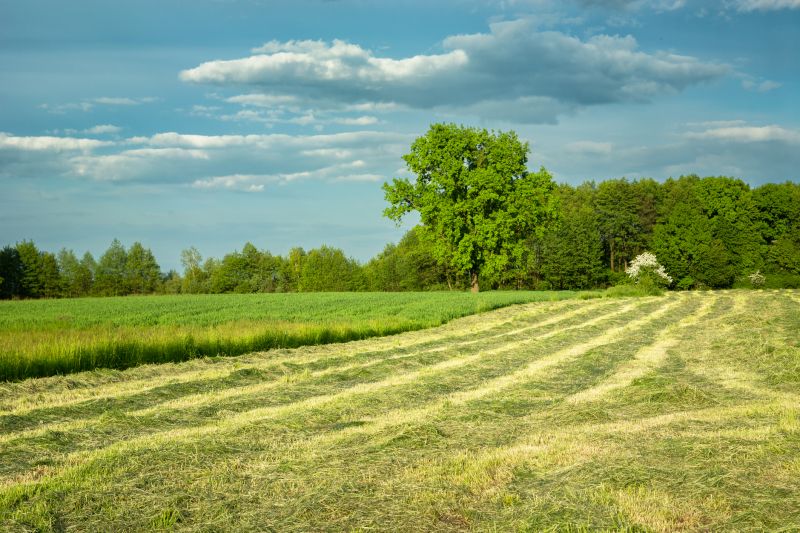
Pasture Management
Clearing overgrown pastures to improve grazing and land use.
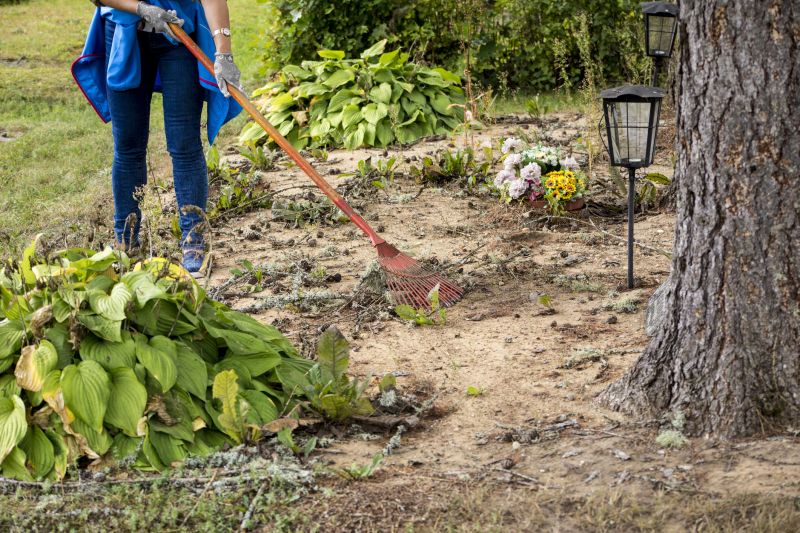
Land Preparation
Removing brush and debris to ready land for new fencing or planting.
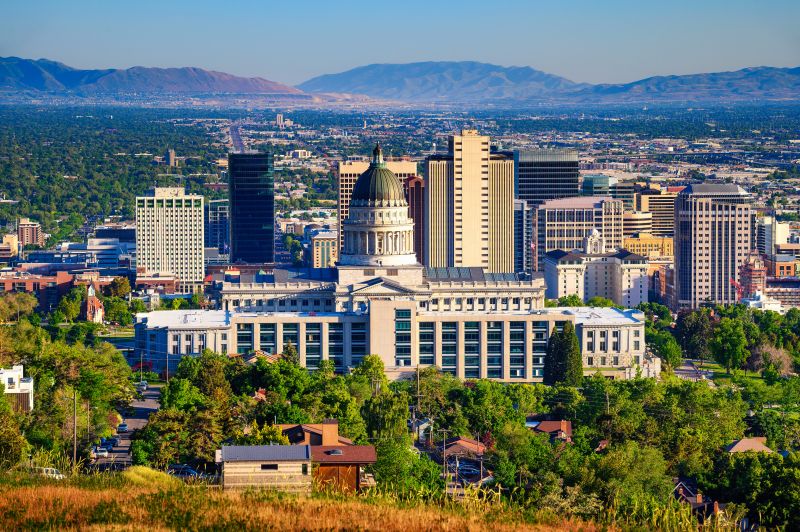
Property Maintenance
Maintaining open spaces by clearing brush and controlling invasive growth.
Pasture Clearing in Salt Lake City, UT
Pasture clearing services involve the removal of unwanted vegetation, brush, and overgrowth to prepare open land for agricultural use, development, or improved property management. These projects typically include clearing large areas of grass, shrubs, and small trees, making the land more accessible and suitable for farming, grazing, or future construction. Homeowners interested in pasture clearing should consider factors such as the size of the area, types of vegetation present, and any local regulations or permits required before requesting services.
Property owners often seek pasture clearing to enhance land usability, improve safety, or manage overgrown areas that hinder access or aesthetics. It’s important to understand the scope of work, including whether the project involves debris removal, stump grinding, or grading, and to clarify any specific goals for the land. Proper planning ensures that the clearing process aligns with the property’s intended use and complies with local guidelines.
Many property owners in Salt Lake City, UT look into Pasture Clearing for repairs, replacements, upgrades, and appearance-related improvements.
Common Pasture Clearing Jobs
Pasture Clearing - removes overgrown grass, weeds, and brush to improve land usability.
Brush Removal - clears dense vegetation to prevent fire hazards and promote healthy growth.
Vegetation Management - trims and removes invasive plants to protect native ecosystems.
Land Clearing - prepares property for new construction or landscaping projects.
Debris Removal - clears away fallen branches, logs, and organic waste from pasture areas.
Selective Thinning - reduces tree density to enhance pasture health and accessibility.
Pasture Clearing Questions
What is pasture clearing? Pasture clearing involves removing trees, brush, and unwanted vegetation to prepare land for farming, grazing, or development.
When is pasture clearing needed? It is typically required when land has become overgrown or needs to be made suitable for new uses or improved livestock management.
What types of projects benefit from pasture clearing? Projects such as establishing new pastures, expanding farmland, or removing invasive plants are common reasons for pasture clearing services.
What should property owners consider before clearing? It's important to assess the land's current condition and intended future use to determine the scope and approach of clearing work.
Request Pasture Clearing in Salt Lake City, UT
Use the quote form on this page to share the basics of your project and request more information for the type of work you need.