
Top Choices for Sloped Yard Leveling and Landscaping Projects
Find versatile products that support effective yard leveling and enhance your landscape design efforts.
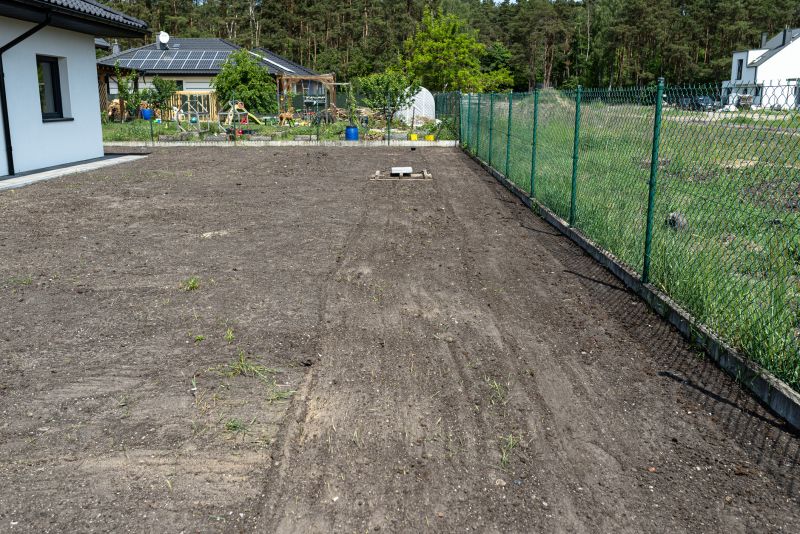 Addressing uneven terrain in a yard can be a common challenge for homeowners looking to create a functional and aesthetically pleasing outdoor space. Sloped yards may cause drainage issues, make maintenance more difficult, or hinder the installation of features such as patios, lawns, or garden beds. Fortunately, there are a variety of products designed specifically to level out slopes and create a more even surface. These solutions range from simple ground covers to more complex structural systems, allowing for customization based on the severity of the slope and the intended use of the space.
Top Overall Option
Modular Retaining Wall System
A modular retaining wall system offers a flexible and customizable solution for managing slopes in yards. These systems typically consist of interlocking blocks or panels that can be assembled to create level terraces, prevent soil erosion, and improve drainage. They are suitable for a wide range of slope severities and can be adapted to fit different landscape designs. Easy to install with proper planning, modular systems provide a durable and visually appealing way to stabilize uneven terrain and create usable flat areas.
Types of Products For Sloped Yard Levelings
Retaining Wall Blocks
Interlocking blocks designed to build retaining walls and terraces for slope stabilization.
Landscape Fabric
Permeable fabric used to prevent weed growth and soil erosion beneath leveling materials.
Gravel and Crushed Stone
Drainage materials used to fill low spots and improve soil stability.
Soil Amendments and Fill Dirt
Materials used to raise low areas and level uneven ground.
Terracing Systems
Pre-fabricated or custom-built structures that create step-like levels on slopes.
Ground Cover Mats
Erosion control mats that stabilize soil and promote grass growth on slopes.
Drainage Pipes and Systems
Components that facilitate water runoff management on sloped terrain.
Timber or Log Retaining Walls
Natural-looking barriers used for small-scale slope stabilization and landscaping.
Concrete Blocks
Heavy-duty blocks for constructing durable retaining walls in larger projects.
Soil Stabilizer Additives
Chemical treatments that improve soil cohesion and reduce erosion.
Landscape Edging
Materials to define and contain level areas or garden beds on slopes.
Erosion Control Blankets
Protective coverings to prevent soil displacement on steep slopes.
Popular Choices
Widely used for creating level terraces and holding back soil on slopes.
Commonly employed to prevent weed growth and improve soil stability.
Popular for drainage and filling low-lying areas in yard leveling projects.
Frequently used to raise and level uneven ground in landscaping.
A favored option for defining garden beds and small retaining walls.
Effective for stabilizing steep slopes and preventing soil loss.
Essential for managing water runoff on sloped properties.
Often selected to help stabilize soil and prevent erosion naturally.
Popular for creating step-like levels on moderate slopes.
Used to enhance soil cohesion and reduce movement in unstable areas.
Chosen for defining and containing flat zones on uneven terrain.
Common for constructing durable retaining walls in larger yard projects.
When selecting products for sloped yard leveling, it is important to consider factors such as soil stability, drainage, and the type of surface you want to establish. Some options focus on filling in low areas with soil or gravel, while others involve installing retaining walls or terracing systems to hold back soil and create level platforms. Proper planning and the right materials can help prevent erosion, improve drainage, and provide a stable foundation for future landscaping projects.
The process of leveling a sloped yard often involves multiple steps, including assessing the degree of slope, preparing the site, and choosing appropriate products for fill, support, or reinforcement. For larger slopes, more substantial solutions like retaining wall blocks or modular systems may be necessary, whereas gentle slopes can often be managed with soil amendments or ground cover mats. It is beneficial to combine these products with proper grading techniques to ensure long-lasting results and a safe, usable outdoor space.
Overall, the key to successful yard leveling lies in selecting versatile, durable products that match the specific requirements of your landscape. Whether you are creating a flat area for a lawn, patio, or garden, understanding the options available will help you achieve a stable and attractive result. Consulting with landscaping professionals or researching product specifications can further ensure that your yard remains functional and visually appealing for years to come.
Key Buying Considerations
- Assess the severity and extent of the slope to determine appropriate solutions.
- Consider the load-bearing capacity and durability of the materials used.
- Evaluate drainage needs to prevent water accumulation and soil erosion.
- Select materials that are compatible with your landscape design and aesthetic preferences.
- Determine whether the project requires temporary or permanent stabilization methods.
- Factor in ease of installation and whether professional help might be necessary.
- Ensure that materials are suitable for the local climate and weather conditions.
- Think about future maintenance requirements for the selected products.
- Review the size and dimensions of products to match the scale of your yard.
- Check for compatibility with existing landscaping features or structures.
- Consider cost-effectiveness and long-term value of the materials chosen.
- Look into available accessories or complementary products for enhanced results.
- Prioritize safety features, especially for structures supporting foot traffic or vehicles.
- Research product reviews and user feedback for insights on performance.
- Plan for erosion control and water management to maintain yard stability over time.